

Contemporary architecture is often associated with clean lines, minimalist forms, expansive glazing, and refined material palettes. Yet despite the growing use of steel, concrete, and engineered finishes, one material continues to stand apart for its authenticity, permanence, and connection to place: Australian natural stone.
Across residential, commercial, and civic architecture, Australian stone is increasingly being specified not only for its durability, but for the way it grounds modern design in the Australian landscape itself.
At AUSSIETECTURE, we believe natural stone should do more than simply “finish” a project. It should contribute to the architecture, enhance the atmosphere, and create spaces that feel timeless rather than trend-driven.
Why Australian Stone Works So Well in Contemporary Design
Modern architecture often focuses on restraint. Simplicity. Material honesty.
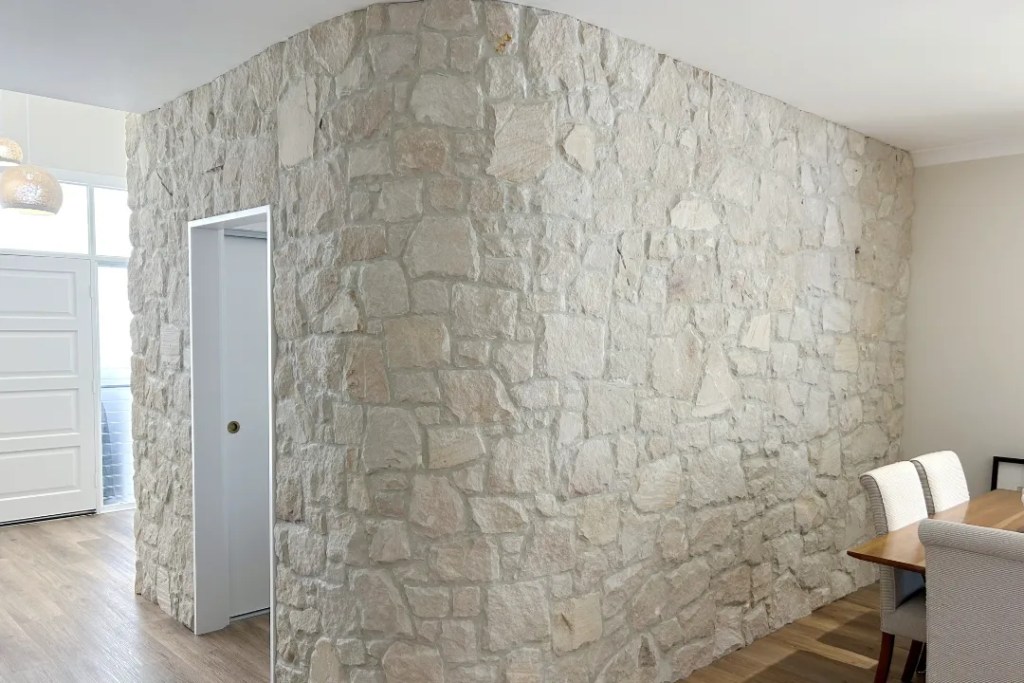

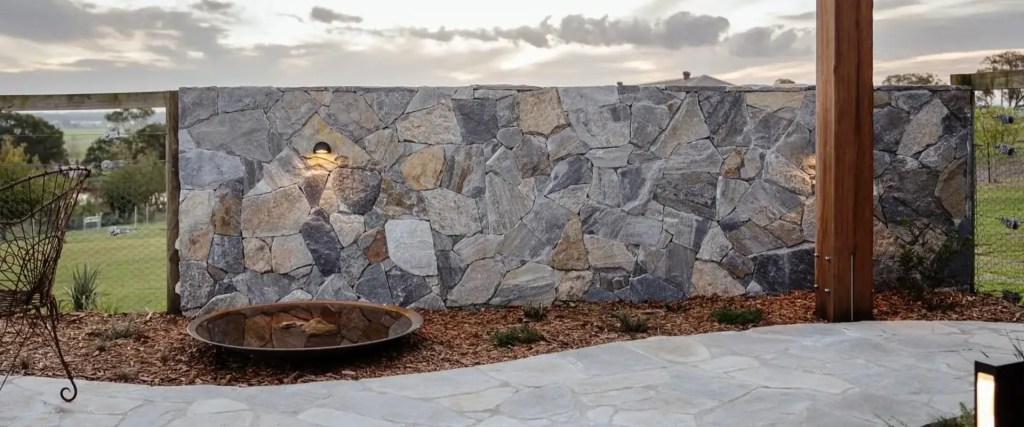
Australian stone naturally aligns with these principles because it carries depth and texture without feeling excessive. Unlike heavily processed or artificial materials, natural stone introduces variation, movement, and warmth in a subtle, sophisticated way.
Australian sandstone, limestone, granite, and bluestone each offer distinct personalities while still complementing contemporary forms.
Key characteristics architects value include:
- Soft, natural colour palettes
- Organic movement and tonal variation
- Matte, non-reflective surfaces
- Textural depth
- Longevity and weathering performance
- Connection to local environments
Rather than overpowering architecture, Australian stone tends to soften and balance it.
Designing with Local Context in Mind
One of the greatest strengths of Australian stone is its ability to reflect the surrounding environment.
Imported stones often carry colours and textures that feel disconnected from Australian landscapes. In contrast, locally quarried materials tend to harmonise naturally with our climate, vegetation, light conditions, and architectural language.
This is particularly important in contemporary projects where architects are increasingly designing homes and buildings that feel integrated into their site rather than imposed upon it.
Australian stone often features:
- Warm creams and sandy neutrals
- Subtle greys and earthy tones
- Soft mineral variation
- Lower visual repetition
- Natural weathering characteristics
These qualities help create architecture that feels grounded and enduring.
The Rise of Textural Minimalism
Many contemporary projects are moving away from highly polished or overly manufactured finishes.
Instead, architects are embracing:
- Split-face walling
- Sawn sandstone
- Antiquated limestone
- Tumbled textures
- Exfoliated granite surfaces
- Random ashlar and irregular formats
These finishes introduce character while maintaining clean architectural intent.
For example, irregular walling paired with minimalist landscaping and refined glazing can create a powerful balance between raw natural texture and modern detailing.
Likewise, contemporary stone flooring with larger formats and subtle grout lines can deliver warmth without sacrificing minimalism.
Stone as an Architectural Feature — Not Just a Finish
One of the biggest shifts in contemporary architecture is the way stone is now being integrated as part of the architectural identity itself.
Rather than acting as decoration, stone is increasingly being used to define:
- Entry statements
- Feature walls
- Structural mass
- Landscape transitions
- Internal/external continuity
- Courtyard spaces
- Pool surrounds
- Retaining walls
- Staircases
- Outdoor entertaining zones
When designed correctly, stone becomes part of the architecture’s DNA.
This is where specification becomes critical.
At AUSSIETECTURE, we work closely with architects and designers to help ensure stone selections align with:
- Scale
- Jointing styles
- Lighting conditions
- Installation methods
- Movement requirements
- Long-term performance
- Desired architectural language
Contemporary Architecture Demands Authentic Materials
Modern clients are becoming increasingly aware of material authenticity.
Many imported products attempt to imitate the appearance of natural Australian stone, yet often lack:
- Depth of colour
- Natural variation
- Geological integrity
- Weathering performance
- Authentic texture
- Local character
As a result, architects are shifting back toward genuine, specification-grade natural materials that age gracefully over time.

Australian stone offers something many manufactured products cannot:
Patina.
Rather than deteriorating, quality natural stone often improves visually with age.
Indoor to Outdoor Living
Contemporary Australian architecture places enormous emphasis on seamless indoor-outdoor transitions.
Natural stone plays a major role in achieving this because it can flow consistently between:
- Internal flooring
- Alfresco areas
- Pool surrounds
- Courtyards
- Pathways
- Landscape walls
This continuity helps create larger, calmer, more cohesive spaces.
Australian stone is particularly suited to this architectural approach due to its:
- Durability
- Slip resistance
- UV stability
- Thermal properties
- Ability to suit both refined and rugged applications
Sustainability and Longevity Matter More Than Ever
Contemporary architecture is no longer only about aesthetics.
Architects and clients are increasingly considering:
- Sustainability
- Embodied energy
- Ethical sourcing
- Material lifespan
- Environmental impact
- Maintenance requirements
Natural stone remains one of the few genuinely timeless building materials available.
When responsibly quarried and processed, Australian stone can offer:
- Extremely long service life
- Reduced replacement cycles
- Lower long-term waste
- Minimal chemical processing
- Reduced transport distances compared to imports
Locally sourced stone also supports Australian industries, quarries, and manufacturing capabilities.
Contemporary Architecture Should Still Feel Human
Minimalist architecture can sometimes risk feeling cold or sterile.
Natural stone introduces:
- Texture
- Warmth
- Imperfection
- Depth
- Tactility
- Emotional connection
These qualities help contemporary spaces feel lived-in, grounded, and enduring.
Stone reminds us that architecture is not only about visual appearance — it is also about atmosphere and experience.

The Future of Australian Stone in Architecture

As architecture continues moving toward authenticity, sustainability, and contextual design, Australian natural stone is becoming increasingly relevant.
Architects are no longer simply searching for products.
They are searching for:
- Provenance
- Material integrity
- Local identity
- Longevity
- Authenticity
- Technical performance
- Design flexibility
Australian stone delivers all of these.
At AUSSIETECTURE, we work closely with architects, designers, builders, and landscapers to help create contemporary architectural outcomes using locally sourced, specification-grade natural stone collections designed for Australian environments.
Because great architecture deserves materials with permanence, integrity, and meaning.
OUR RANGE →


